



A mountain that became a Chinese ideal
Mount Huangshan, also known as Mount Huang, Huangshan, or Yellow Mountain, is located in the heart of southern Anhui Province, China.
Heritage
One Mountain. Three UNESCO Distinctions.
Mount Huangshan is one of only eight places in the world recognized with three UNESCO distinctions: World Cultural Heritage, World Natural Heritage, UNESCO Global Geopark, and Biosphere Reserve.
It stands as a rare example of harmony between natural wonders and human civilization. For centuries, Huangshan has inspired poets, painters, scholars, and travelers with its dramatic peaks, ancient pines, seas of clouds, and timeless beauty.
The natural language of Huangshan.
These wonders are the reason Huangshan has inspired painters, poets, photographers, and travelers for generations.
Ancient Pines
The iconic “Welcoming Pine” has been greeting visitors for over 1,000 years, growing defiantly out of solid rock.
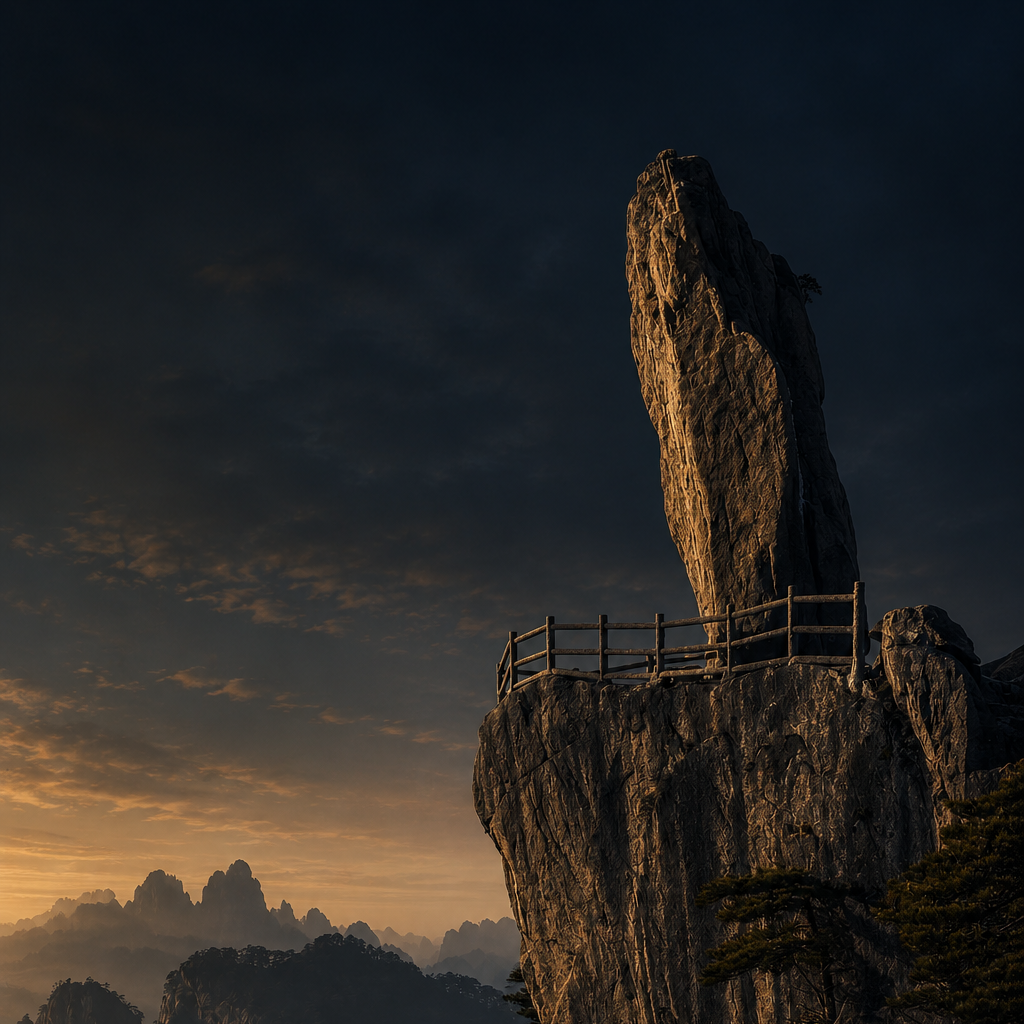
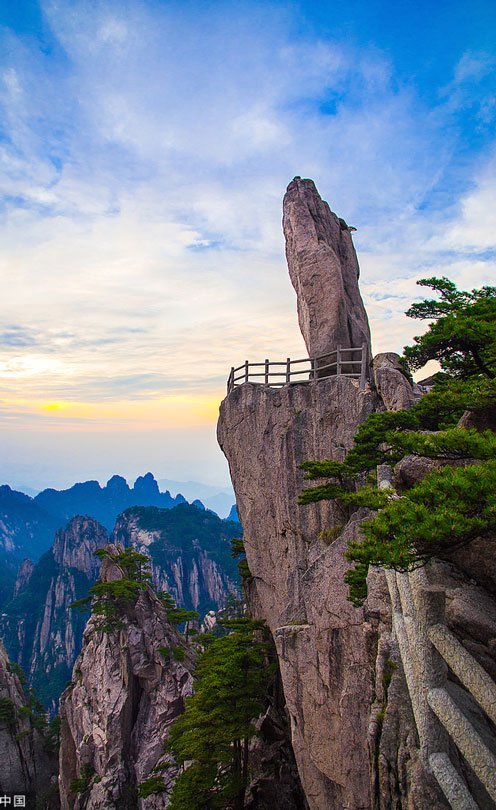
Strange Rocks
Shapes like “Monkey Gazing at the Sea” are nature’s 100-million-year sculptures, carved by wind and rain.
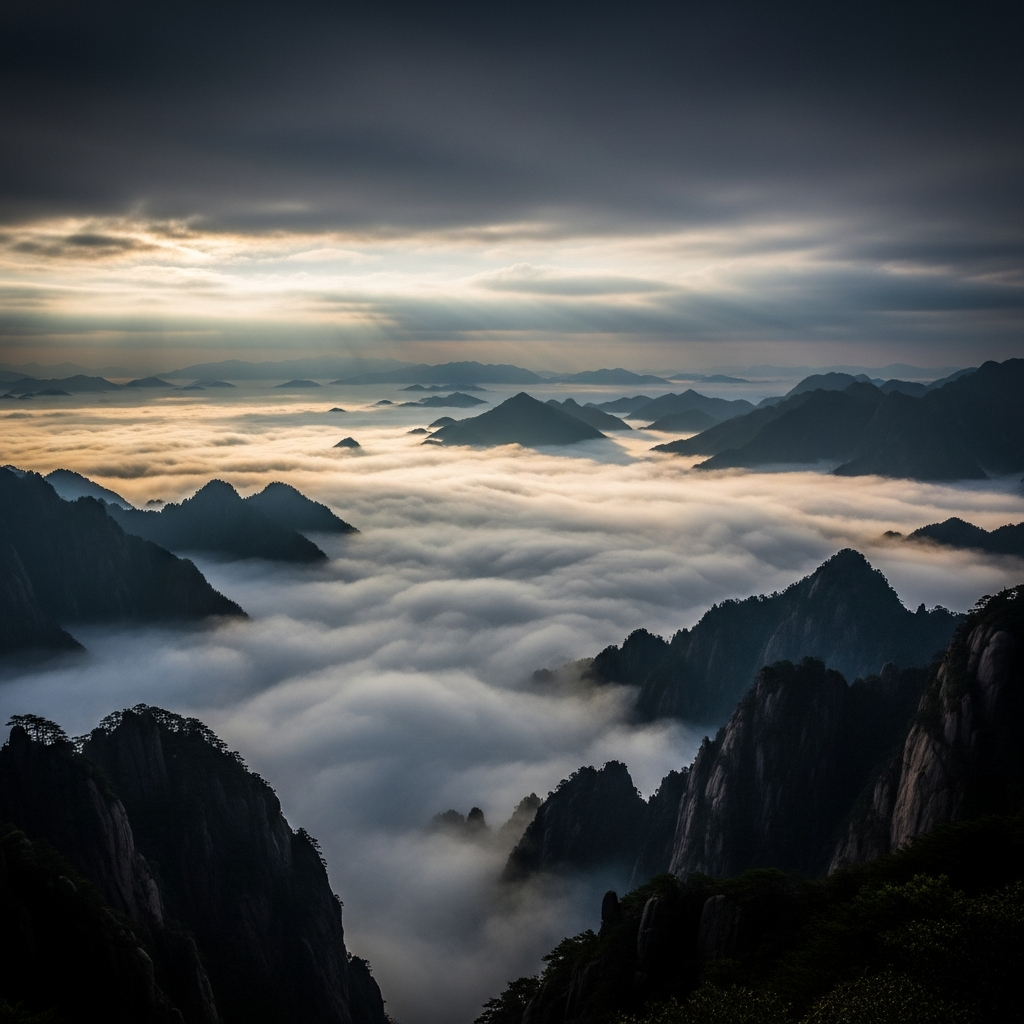
Sea of Clouds
When clouds roll through the valleys, the peaks of Huangshan rise like islands in a white ocean.
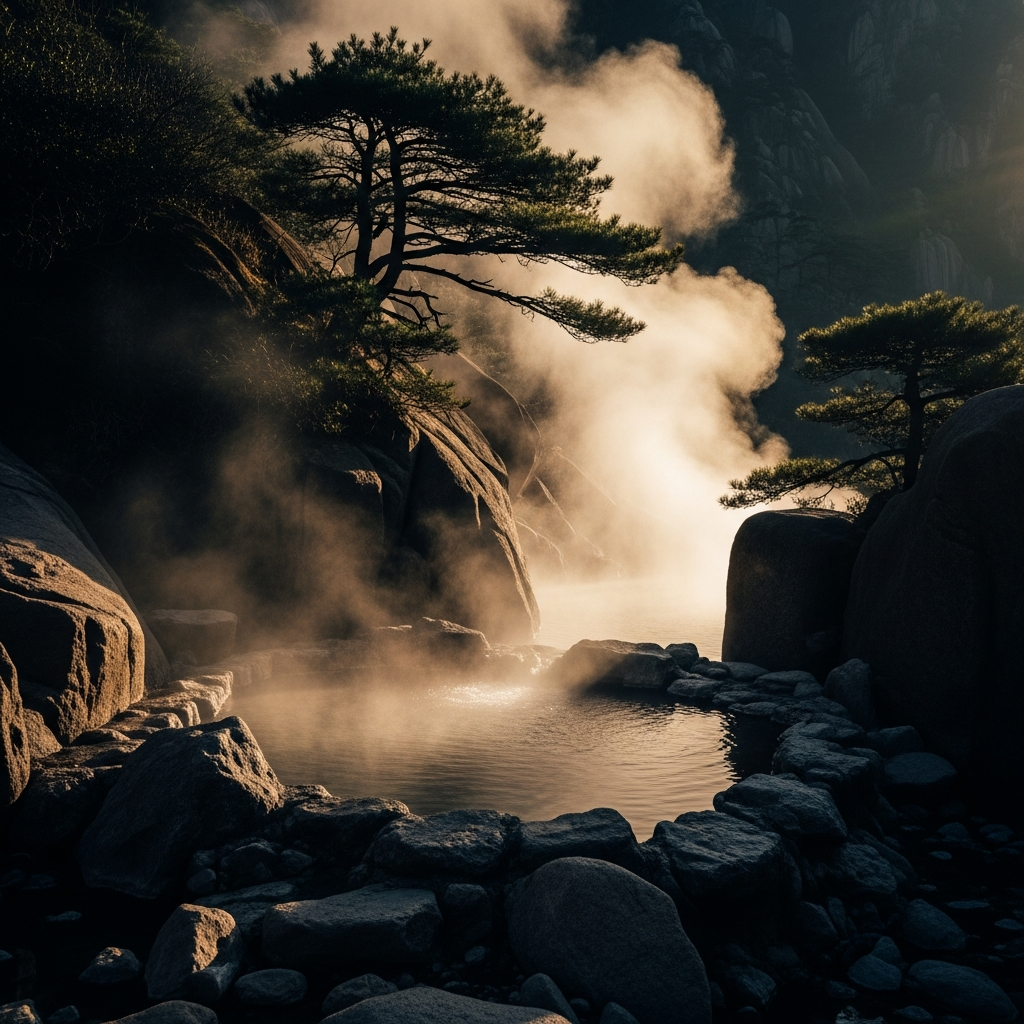
Hot Springs
After a day of hiking, Huangshan’s warm, mineral-rich hot springs offer the perfect way to relax and recharge.
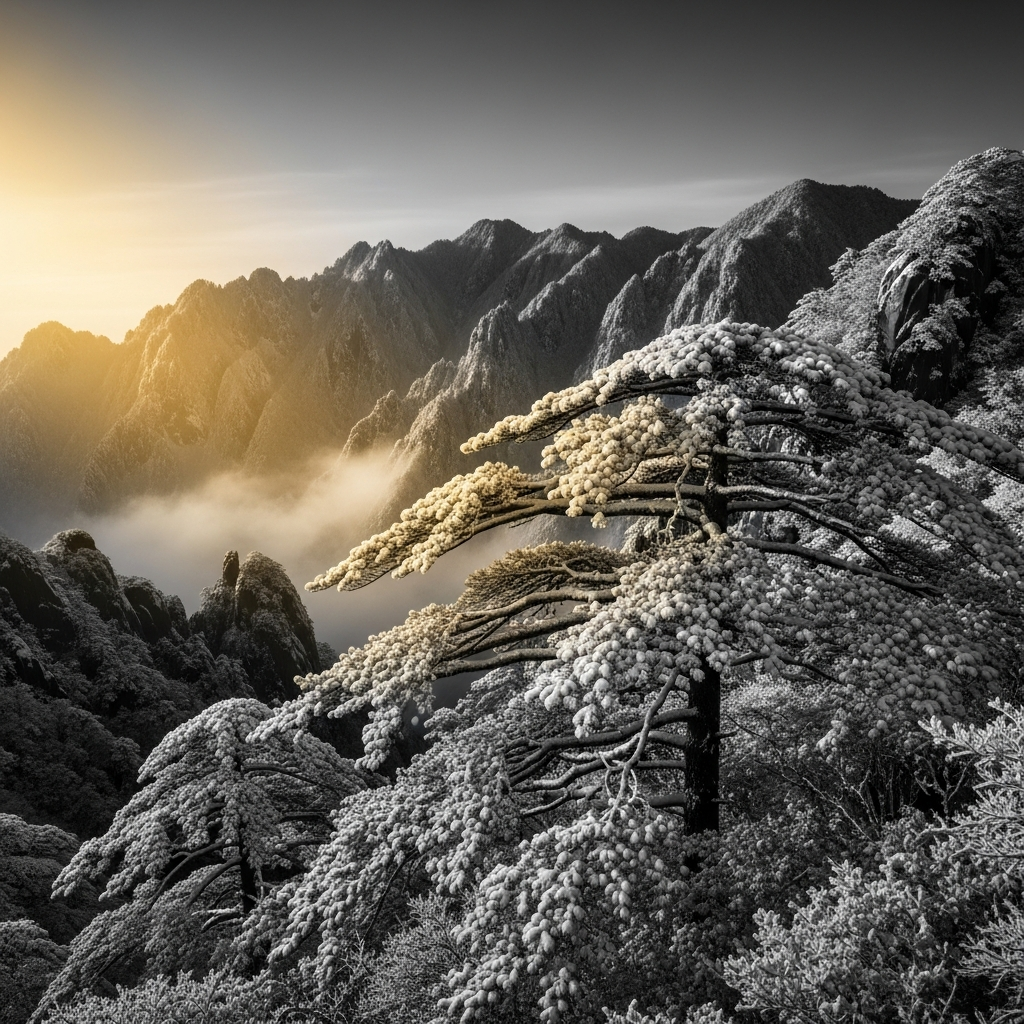
Winter Snow
Winter turns Huangshan into a palace of rime ice and frozen waterfalls, peaks hanging between earth and sky
The cultural soul beside the mountain.
Huangshan is the landmark. Huizhou is the deeper context that helps visitors understand the region’s refinement and memory.
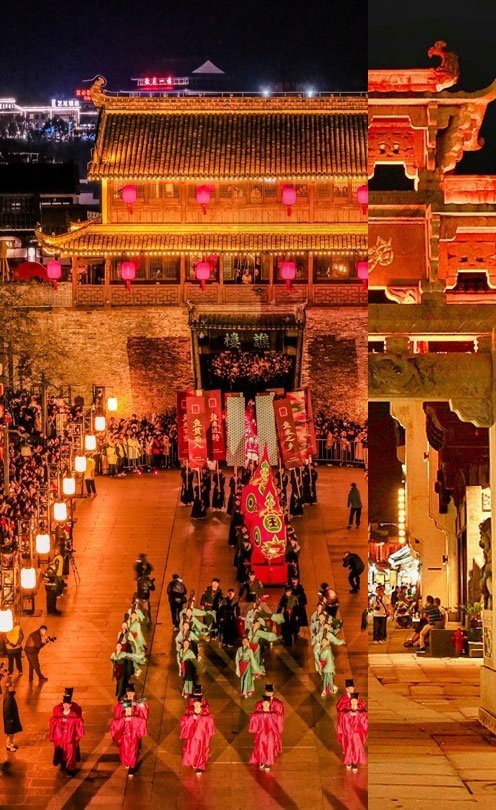
White walls, black tiles, and quiet courtyards.
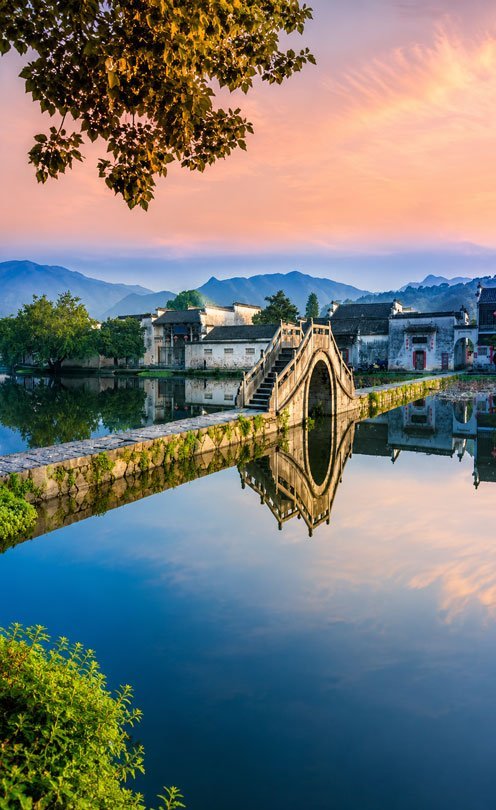
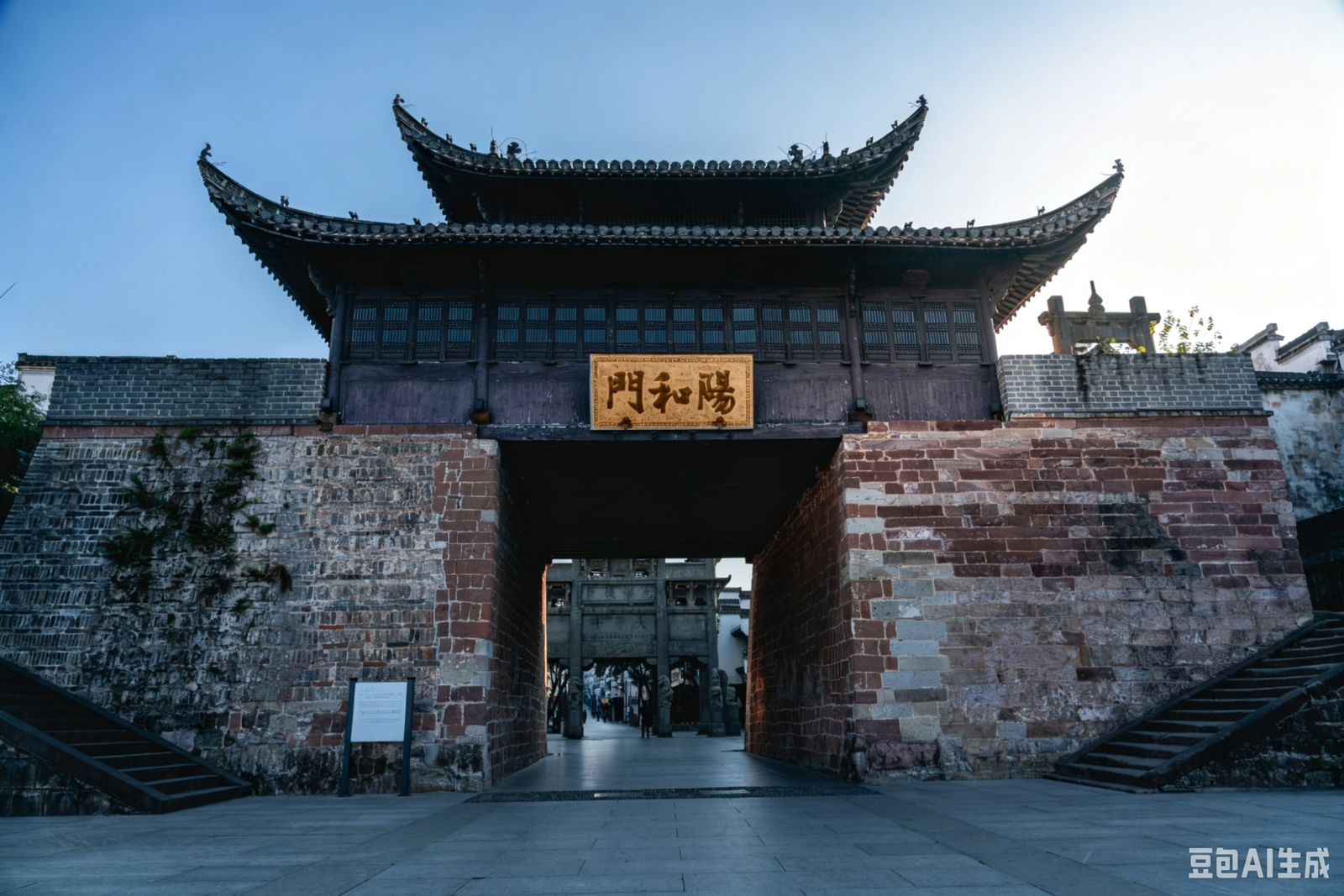
Hui-style architecture is one of the most recognizable visual languages in eastern China. Its white walls, dark roofs, horse-head walls, carved windows, and inner courtyards feel restrained, elegant, and deeply connected to family life.
When travelers walk through old Huizhou lanes, they see how architecture shapes daily rhythm: light enters courtyards, water reflects doorways, and ancestral halls preserve family memory.
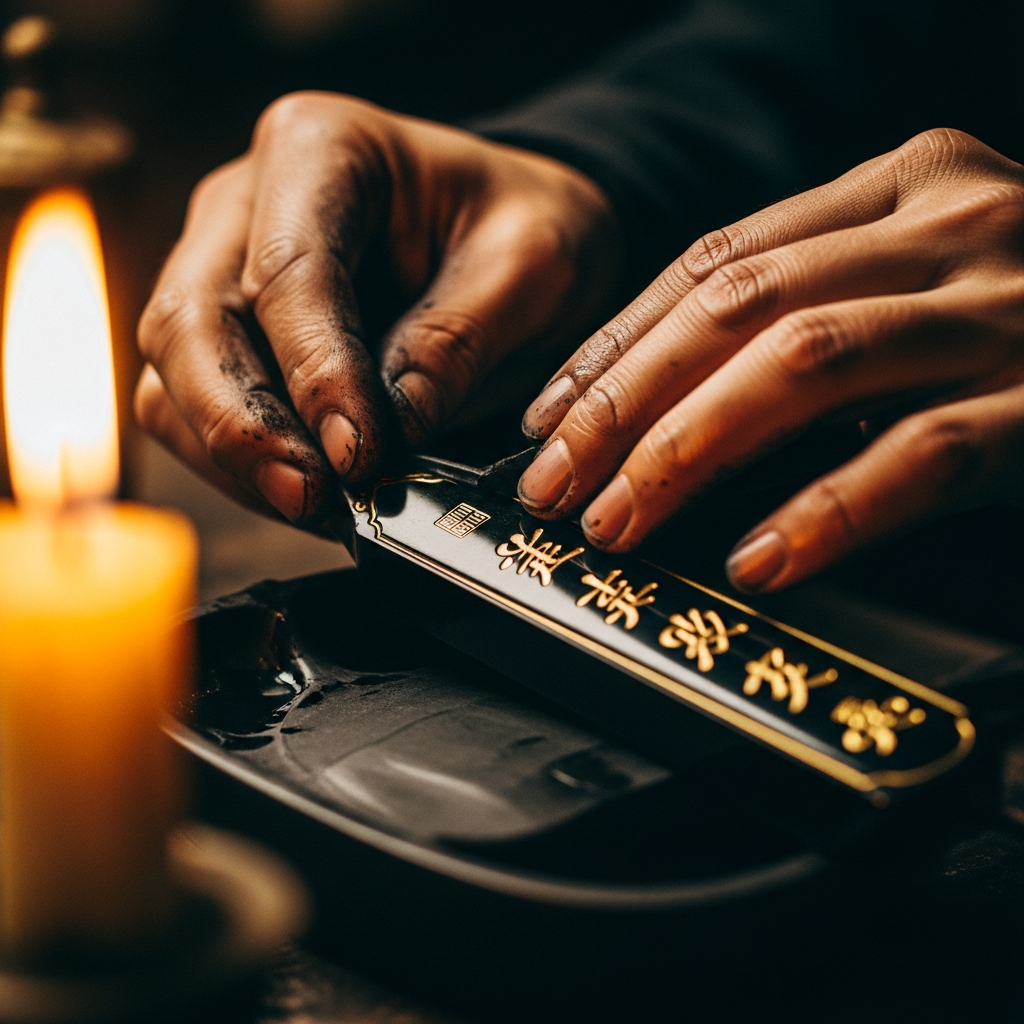
Crafts made for scholars, homes, and time.
Huizhou is associated with refined traditional crafts such as ink making, seal carving, bamboo carving, and the famous wood, brick, and stone carvings found in old houses.
These crafts are not only decorative. They express learning, family values, wishes for good fortune, and a culture that valued patience, detail, and taste.
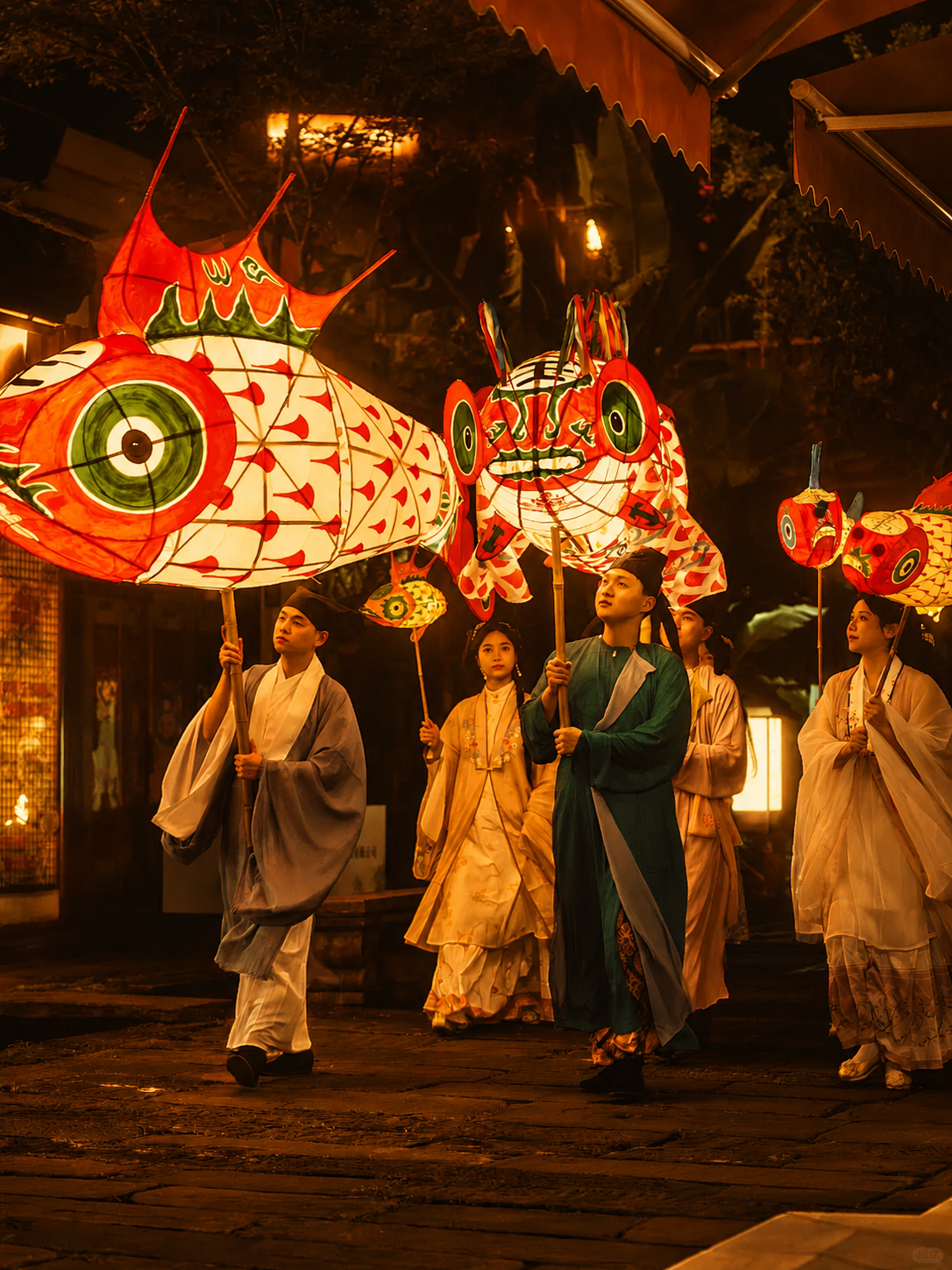
Traditions that still glow in village lanes.
Huangshan’s cultural charm is also alive in folk customs. Fish lantern performances, local opera, drums, festival gatherings, and seasonal foods reveal a warmer, human side of the region.
These customs help travelers see Huangshan not as a museum, but as a living place where history continues in sound, light, food, and celebration.
Villages that make Huangshan unforgettable.
A deeper understanding of Huangshan often begins after leaving the summit and entering the surrounding villages.
Hongcun
Known for its water reflections and painting-like village composition.
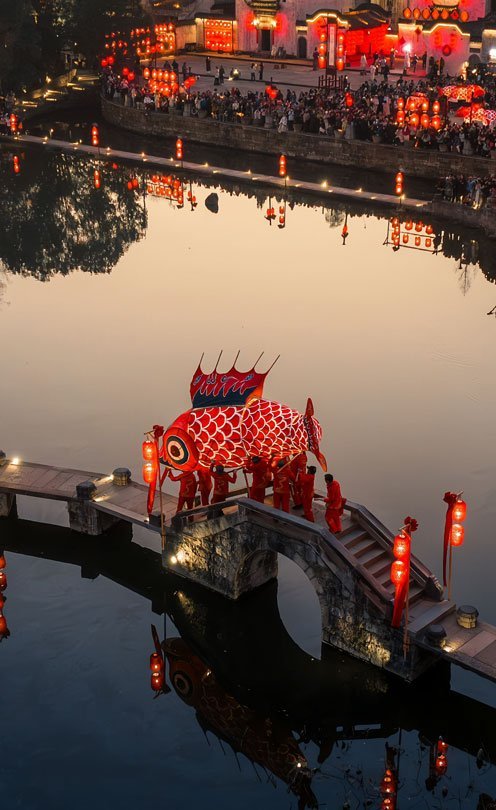
Chengkan
A quieter place to feel ancient layout, old homes, and local rhythm.
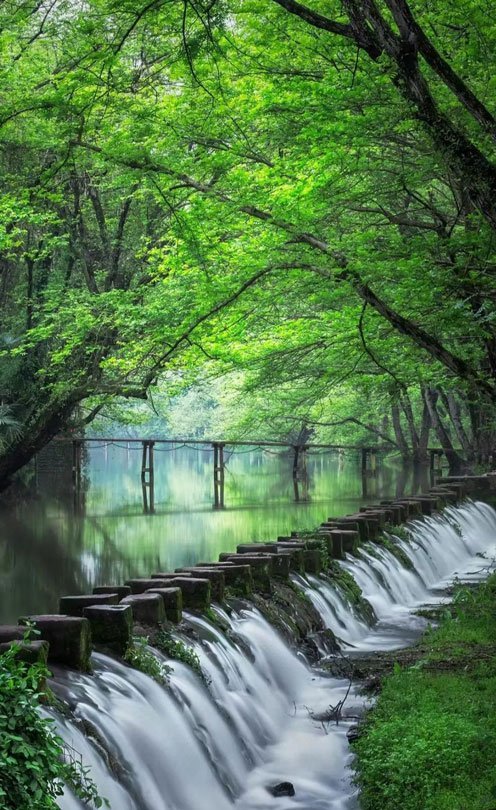
Xixi Nan
Green waterways, village calm, and a gentle countryside atmosphere.
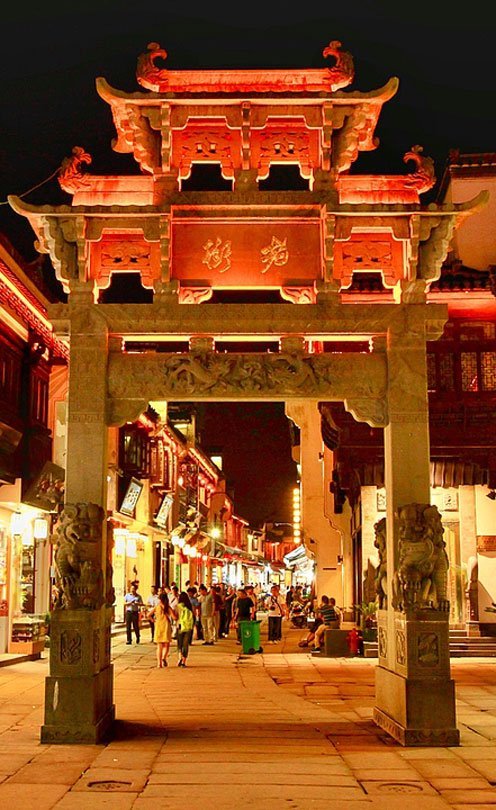
Tunxi Old Street
A lively introduction to local snacks, shops, tea, and street life.
Huangshan changes its mood all year.
The mountain is not a single view. It is a living landscape shaped by light, mist, leaves, snow, and weather.
Fresh mist and village walks.
Spring brings soft rain, moving mist, fresh green valleys, and a gentle atmosphere around the villages.
What you begin to understand before you arrive.
Why Chinese artists loved it
Huangshan’s cliffs, pines, clouds, and empty spaces match the visual language of classical Chinese landscape painting.
Why the weather matters
Mist, rain, and shifting clouds are not interruptions. They are often what make the mountain feel most alive.
Why villages complete the journey
The mountain gives grandeur; Huizhou villages give intimacy, history, human detail, and cultural depth.
Small scenes that reveal the mountain’s personality.
Huangshan is remembered not only by famous viewpoints, but also by the quiet transitions between them.
Clouds Below Your Feet
When clouds settle in the valleys, the summit path feels like a bridge between earth and sky.
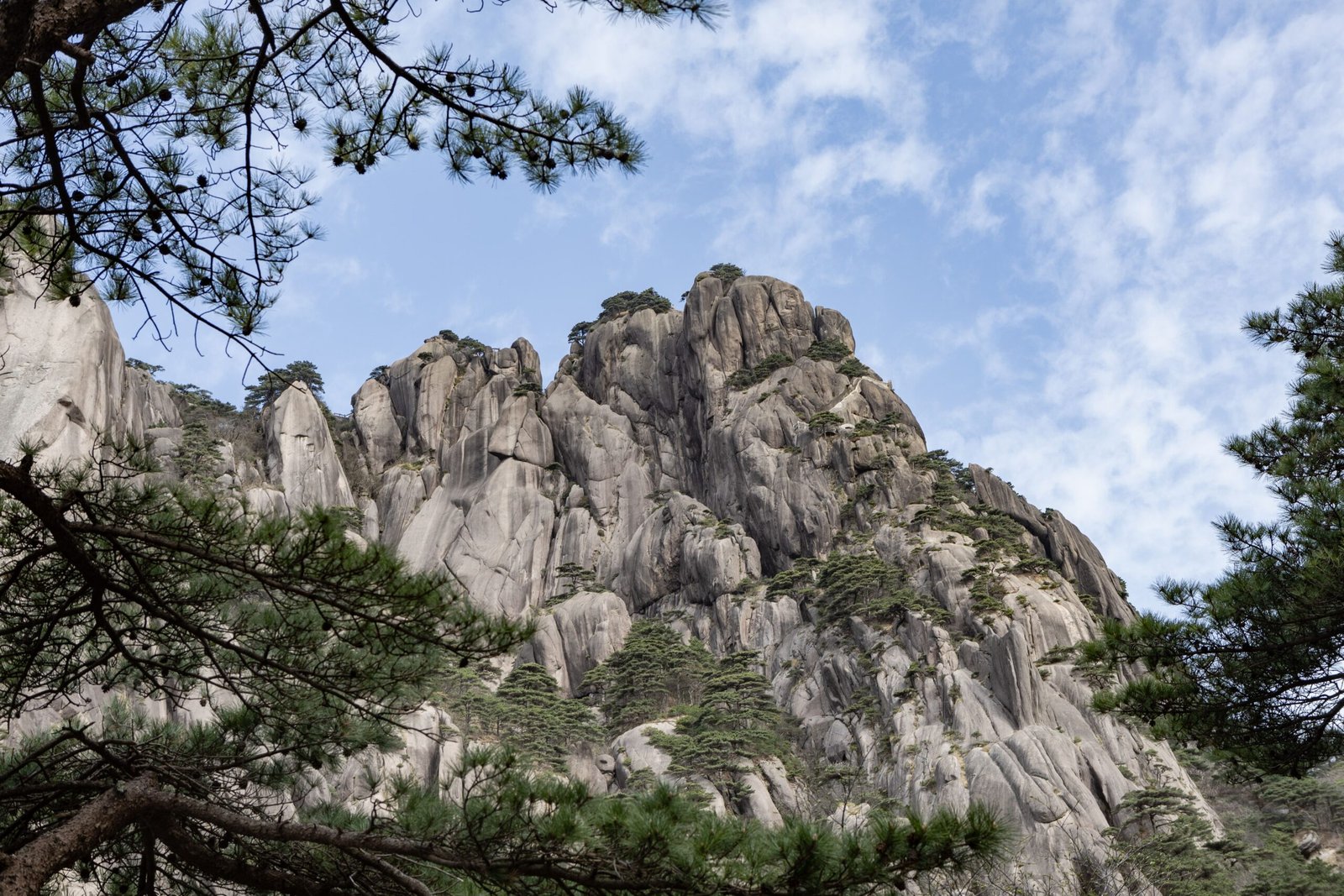
Rocks With Imagination
Many stones seem to hold stories, changing expression as sunlight and mist move across them.
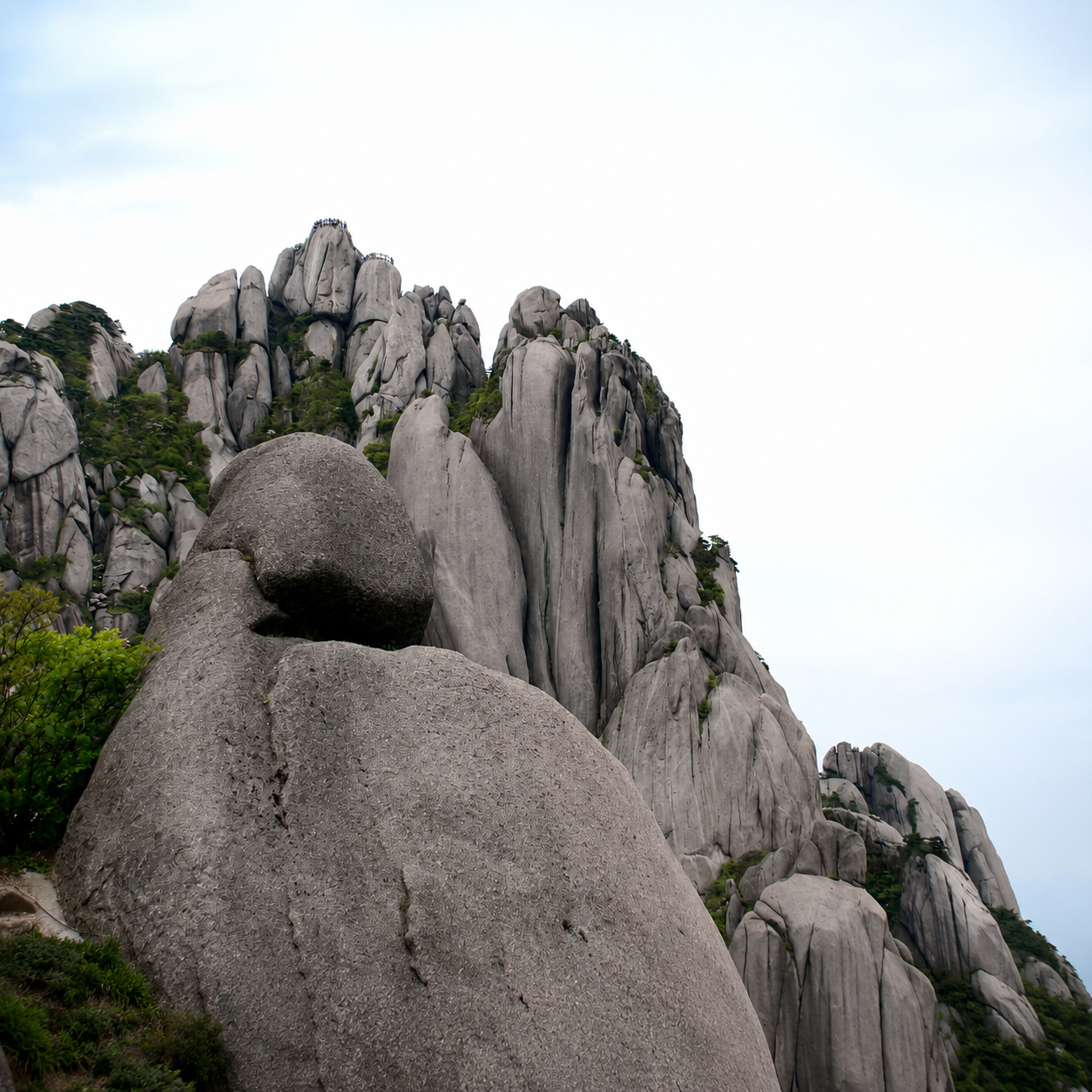
Pines That Endure
The pines make the cliffs feel alive, graceful, stubborn, and full of character.
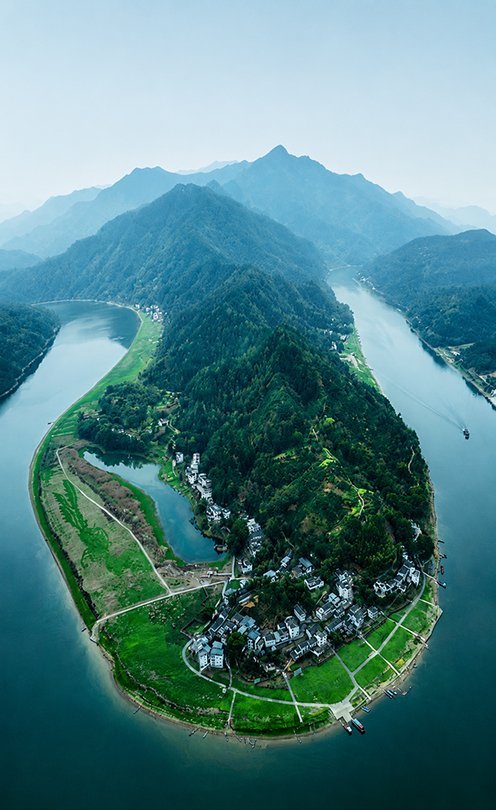
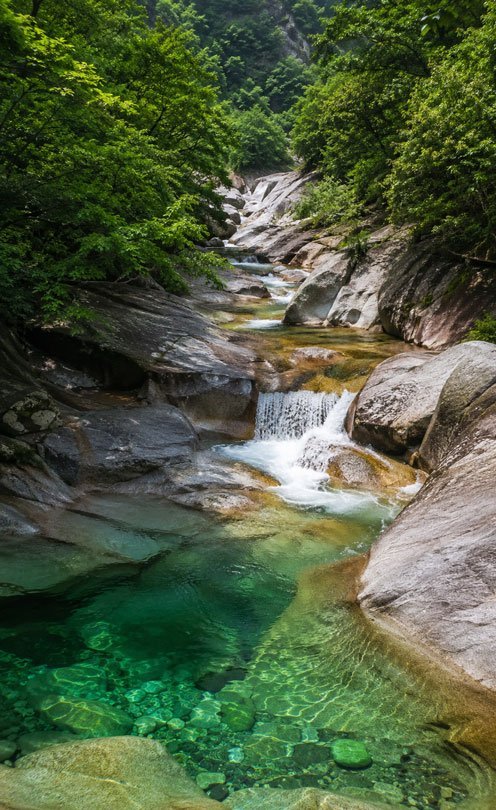
Water After Stone
After the peaks, rivers and villages soften the journey and show another side of the region.

The flavor of the mountain continues at the table.
Food is another way to understand Huangshan. Local dishes are shaped by mountain produce, preserved ingredients, slow cooking, and the practical wisdom of people who lived between peaks, rivers, and villages.
For visitors, a meal in Huangshan is not simply a break between scenic spots. It is part of the region’s atmosphere: warm, earthy, fragrant, and connected to local households.
Street Snacks: Tunxi Old Street introduces travelers to a casual, lively side of local taste.
Mountain Ingredients: Bamboo shoots, tofu, wild vegetables, and preserved flavors reflect the land.
Shared Tables: Food helps the culture feel human, close, and easy to remember.
The mountain rewards patience.
A visitor does not need to know every legend before arriving. But a little attention changes how the place is seen.
Look at the empty space
The mist, sky, and gaps between peaks are as important as the stone itself. They create the rhythm of the scene.
Watch how weather moves
Clouds may hide a view, then reveal it suddenly. Huangshan is often most powerful when it is changing.
Notice the pine trees
The pines are not decoration. They are symbols of endurance, elegance, and life growing from difficulty.
Connect mountain and village
The peaks explain the grandeur of the region; Huizhou villages explain its human memory and cultural depth.
Images that stay with people.
The appeal of Huangshan is cumulative: one image after another, each one adding a different mood.
The mountain is only the beginning.
People may come to Huangshan because they have seen a famous photograph: a pine on a cliff, peaks above clouds, a sunrise over stone. But the region becomes more interesting when those images begin to connect with villages, food, architecture, craft, and local stories.
That is why Huangshan works so well as an introduction to China beyond the biggest cities. It is grand without feeling distant, poetic without feeling unreal, and cultural without losing the warmth of everyday life.
By the time visitors finish learning about Huangshan, they should not only want to see a mountain. They should feel curious about a whole landscape and the people who have lived around it for generations.